

When it comes to your credit score, there's a lot of bad advice floating around—kind of like a wild pitch on a hot summer afternoon. If you want to step up to the plate and win financially, it's time to separate myth from fact. Let's knock these common credit myths out of the park and focus on what really matters.
Myth #1: Checking Your Credit Score Lowers It
The truth: Not every "check" is a strike against you.
- Soft inquiries (like checking your own score) = no impact
- Hard inquiries (like applying for a loan) = small, temporary dip
What matters: Think of it like checking the scoreboard—keeping an eye on your credit is a smart move and helps you stay in the game.
Myth #2: Carrying a Balance Boosts Your ScoreThe truth: You don't need to "keep runners on base" to win. Carrying a balance:
- Costs you in interest
- Doesn't improve your score
What matters: Your credit utilization is key. Keep it below 30%—under 10% is a home run. Pay off your balance regularly to stay ahead.
Myth #3: Closing Old Cards Helps Your CreditThe truth: Closing accounts can bench your score. Why?
- It reduces your available credit
- It shortens your credit history
What matters: Your older accounts are like veteran players—they add strength and experience to your lineup. Keep them active when possible.
Myth #4: Your Income Affects Your Credit ScoreThe truth: Income doesn't show up on the scoreboard. While lenders may consider your income, it's not part of your credit score calculation.
What matters: Your score is built on:
- Payment history
- Credit usage
- Length of credit history
- Credit mix
- New credit activity
Myth #5: One Late Payment Doesn't MatterThe truth: Even one strike can change the game. A payment that's 30+ days late can:
- Lower your score
- Stay on your report for up to 7 years
What matters: Consistency wins championships—pay on time, every time. Set up auto-pay so you never miss a pitch.
Myth #6: You Need to Be Debt-Free to Have Great CreditThe truth: You don't have to sit down to win. Having no credit activity can actually make it harder to build a strong score. Think of it as staying in the lineup—you need some activity to score runs.
What matters: Use credit wisely:
- Make small, manageable purchases
- Pay in full when possible
- Keep accounts active
Myth #7: All Debt is Bad for Your ScoreThe truth: Not all plays are bad plays. Different types of credit—like credit cards and loans—can work together to strengthen your profile.
What matters: A solid credit mix shows lenders you can handle different financial responsibilities—like being a versatile player on the field.
What Actually Matters Most (Your Game Plan)
If you want to win the credit game this summer, focus on these fundamentals:
- Pay Your Bills on Time: Your MVP stat—never miss a payment.
- Keep Balance Low: Don't overload the bases—keep usage in check.
- Build Credit History Over Time: You can't rush experience—it's earned season after season.
- Limit New Applications: Too many swings at once can hurt your momentum.
- Maintain a Strong Credit Mix: Be a well-rounded player with different types of credit.
When it comes to your credit score, play the long game. There's no shortcut to great credit—just like there's no shortcut to a championship season. It takes discipline, consistency, and smart decisions.
Ignore the myths, stick to the fundamentals, and you'll be well on your way to knocking your financial goals out of the park.
Do You Know Your Score?
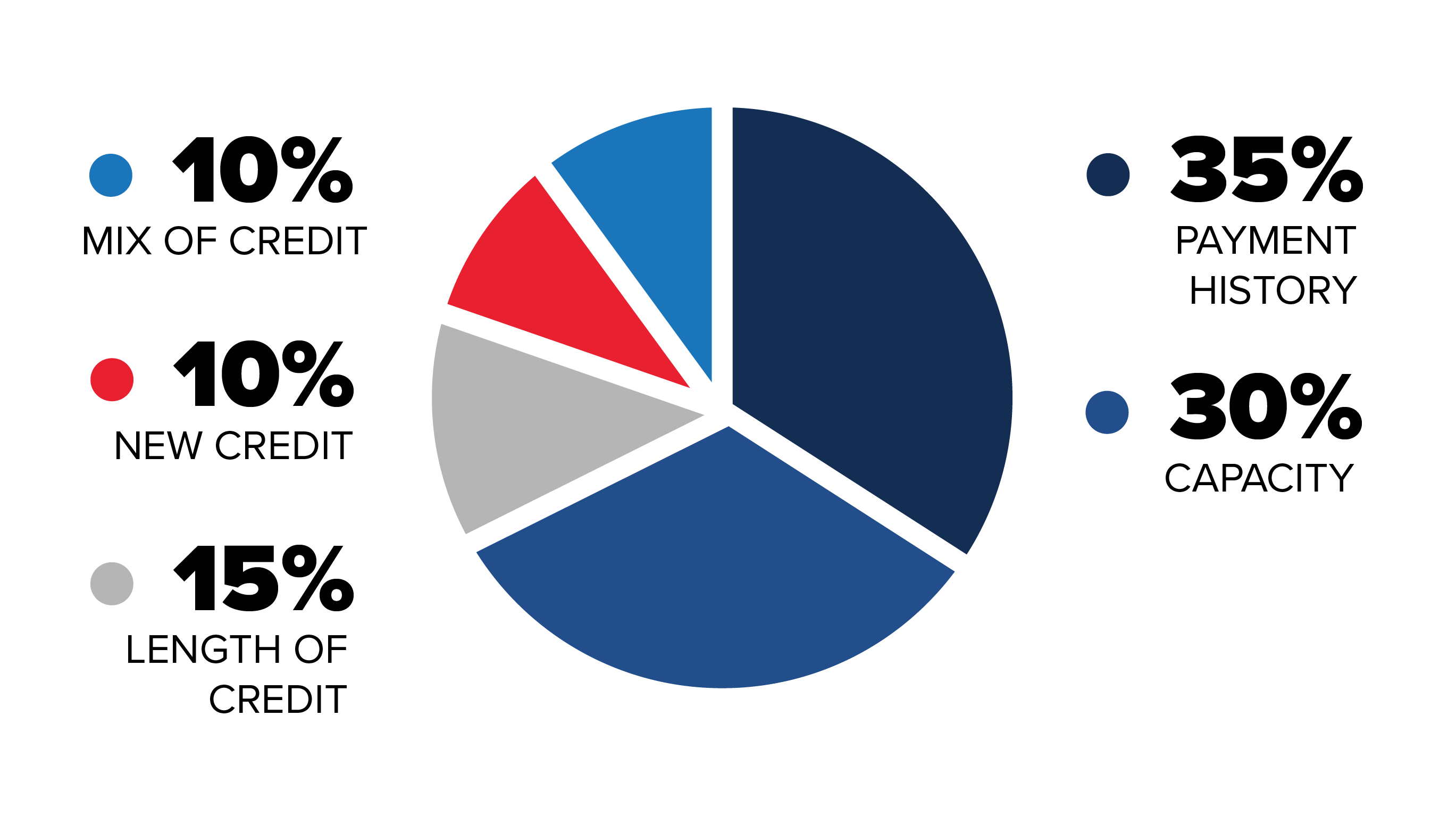
Are you thinking about purchasing a new car, saving up for the down payment of your first home, or just looking for ways to improve your credit score? Members First is here to lend a helping hand by providing you the tools to help you make smart financial decisions. Plus, you can request to receive your credit score FREE and we'll share ways you can improve your score. Complete the following form and we'll contact you regarding your credit score and how to improve it.
RESOURCES
« Return to "Blog"
 Share on Facebook: Credit Score Myths Busted: What Actually Matters
  Share on Twitter: Credit Score Myths Busted: What Actually Matters


